What Is Spalling Concrete? (Definition + Overview)
Understanding Causes, Symptoms, and Professional Repair Methods for Spalling Concrete in Singapore Buildings
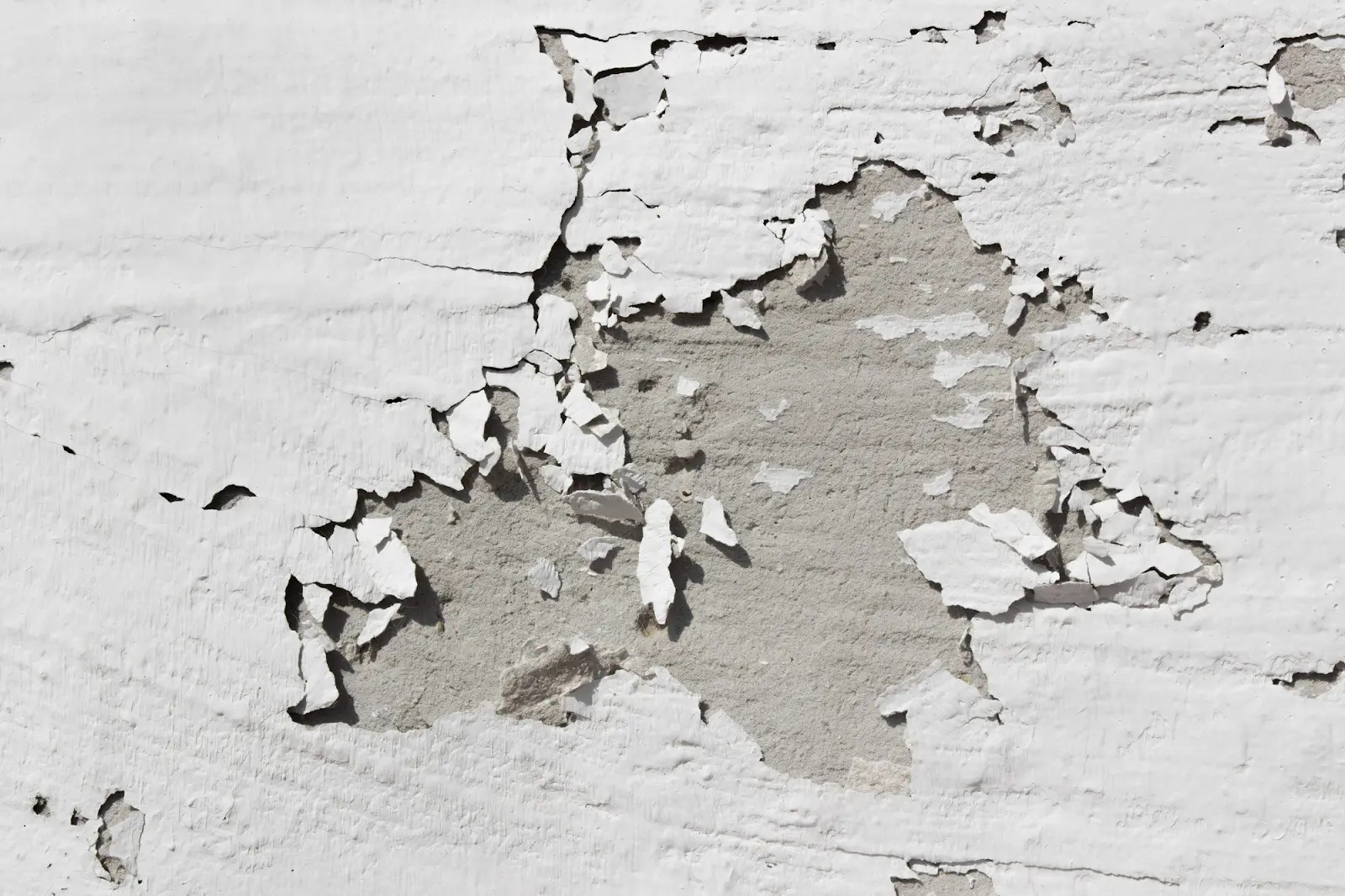
Spalling concrete refers to the breaking, cracking, or flaking of the concrete surface, often exposing the steel reinforcement bars within. This issue is common in older Singapore buildings, especially HDB flats, due to high humidity, moisture penetration, and natural wear and tear. If not repaired promptly, spalling concrete can weaken structural integrity and pose safety risks.
Common Causes of Spalling Concrete in Buildings
Understanding the root causes helps prevent recurrence:
- Moisture penetration – Water enters the concrete and reaches the steel reinforcement.
- Rebar corrosion – When steel rusts, it expands and breaks the concrete cover.
- Carbonation – A natural chemical process that lowers pH and reduces protection around the steel.
- Poor construction practices – Low-grade concrete, improper curing, or insufficient cover.
- Chemical exposure – Detergents, salts, or pollutants can accelerate deterioration.
- Humidity & wet areas – Kitchens, bathrooms, service yards suffer faster degradation.
How Carbonation Leads to Concrete Spalling
Carbonation occurs when carbon dioxide reacts with moisture inside the concrete, creating carbonic acid that lowers concrete alkalinity. Once the pH drops below 9, steel reinforcements lose their protective layer and begin to corrode. The rust expands, causing the concrete cover to crack, bulge, and fall off.
Carbonation is slow in quality concrete but rapid when cracks, voids, or thin concrete covers are present.
Signs and Symptoms of Spalling Concrete in Ceilings & Walls
- Bulging or swollen concrete surfaces
- Fine cracks, often spreading outward
- Water stains and discoloration
- Peeling paint and surface flaking
- Exposed, rusty reinforcement bars
- Loose concrete pieces dropping from the ceiling
Early detection reduces repair cost significantly.
Spalling Concrete in HDB Flats: Responsibilities & Safety Guidelines
HDB states that homeowners are responsible for maintaining and repairing spalling concrete within their units. If left unattended, the issue spreads, causing structural weakness and potential injuries.
For minor issues, homeowners may repair themselves. For severe cases, a BCA-approved contractor must be engaged immediately.
Spalling Concrete Repair – Professional Methods & Step-by-Step Guide
How to Assess Spalling Concrete Damage (Professional Assessment)
A proper assessment determines:
- The cause: moisture, carbonation, poor concrete, corrosion
- The depth of damage
- Whether the reinforcement steel has lost thickness
- The size of the affected area
Engineers may use tools such as rebound hammers, moisture meters, or visual inspection.
Surface Preparation Before Repair (Cleaning, Hacking, Steel Exposure)
The damaged concrete must be:
- Hacked away until only sound concrete remains
- Edges cut cleanly to avoid feathering
- Loose debris and dust removed
- Concrete exposed to reveal corroded rebar fully
Proper preparation ensures strong bonding with repair mortar.
Treating Corroded Reinforcement Steel (Anti-Rust Coating Process)
- Brushing or blasting the steel to remove rust
- Checking if steel loss exceeds 20%
- Applying an anti-corrosion coating
- Ensuring complete coverage before patching
This prevents re-corrosion and future spalling.
Concrete Patch Repair Using Mortar & Bonding Agents
Once the steel is protected:
- Bonding agents are applied (polymer-based for stronger adhesion)
- Polymer-modified repair mortar is used to fill the cavity
- Mortar is compacted and levelled properly
- Structural integrity and appearance are restored
Professional-grade mortars ensure minimal shrinkage and long-term durability.
Reprofiling & Finishing the Repaired Surface
After the patch sets:
- The surface is smoothed to match the original ceiling
- Imperfections are removed
- Minor leveling adjustments are applied
- Final texture matches existing concrete
A uniform finish helps paint adhere better.
Applying Protective Coatings to Prevent Future Spalling
Protective coatings act as a barrier against carbonation and moisture.
- Anti-carbonation paints
- Waterproofing coatings
- Penetration sealers
These extend service life and reduce maintenance.
Learn MoreHow to Remove Loose Concrete Safely While Waiting for Contractors
- Wear gloves, helmet, and eye protection
- Use a hammer and chisel to remove loose pieces
- Cover floors with cardboard
- Secure a stable ladder
- Collect debris and dispose responsibly
These steps prevent falling hazards until professionals arrive.
Essential Tools & Safety Gear for DIY Spalling Repair
- Hammer and chisel
- Protective gloves & goggles
- Dust mask
- Wire brush
- Putty knife
- Drop cloths
- Ladder with stabilizers
Safety is the priority, especially when working on ceilings.
How to Choose a Qualified Spalling Concrete Contractor in Singapore
- HDB/BCA-approved contractors
- Experience with structural repairs
- Transparent pricing
- Warranty for repair works
- Use of certified materials
- Positive reviews and references
Always compare quotations before hiring.
What Homeowners Should Know Before Hiring (Cost, Warranty, Scope)
Typically, contractors provide:
- Site inspection
- Breakdown of repair steps
- Cost estimate (based on area size)
- Materials used
- Warranty period (usually 1–3 years)
- A written agreement is recommended
Advanced Spalling Concrete Repair Techniques Used by Professionals
- High-pressure water jetting
- Polymer-modified mortars
- Shotcrete applications
- Anti-corrosion agents
- Waterproofing membranes
- Structural strengthening methods
These ensure long-term structural integrity.
Nippon Paint’s Complete Spalling Concrete Repair System
Nippon Paint offers a three-step integrated system specially designed for Singapore's climate. It includes advanced corrosion protection, superior bonding, and deep-surface sealing for long-term durability.
SeeMoreAnti-Corrosion Coating for Reinforcement Steel (Nippon Corrosion Resistant Solution)
- Passivates steel
- Stops further rusting
- Protects against moisture and chloride attacks
- Enhances long-term structural durability
Concrete-to-Metal Bonding Agent for Strong Adhesion
Ensures a strong bond between old concrete, steel, and new repair mortar. Prevents delamination or early failure.
Concrete Permeating Sealer for Long-Term Moisture Protection
This sealer penetrates deep into the concrete matrix, forming a hydrophobic barrier that:
- Reduces moisture ingress
- Minimizes chloride penetration
- Slows down carbonation
Ideal for HDB bathrooms, kitchens, and balconies.
Proven Ways to Prevent Spalling Concrete in Homes and Buildings

- Fix leaks immediately
- Maintain proper waterproofing
- Use quality anti-carbonation paint
- Seal cracks early
- Ensure good ventilation
Proactive maintenance is cheaper than repair.
Importance of Regular Ceiling Painting to Reduce Carbonation
Paint acts as the first line of defense against moisture, carbon dioxide, surface wear, and humidity damage. Repainting every 3–5 years can drastically slow concrete deterioration.
How to Seal Cracks, Holes, and Weak Spots to Stop Moisture Entry
Use crack fillers, waterproof sealants, and polymer-based repair materials. Preventing moisture reduces corrosion risk dramatically.
Improving Ventilation in Humid Areas (Kitchen, Toilet, Bathroom)
Ventilation helps reduce condensation, which slows carbonation. Options include exhaust fans, window ventilation, dehumidifiers, and air circulation improvements.
Learn MoreLong-Term Maintenance Plan for Spalling-Free Concrete Structures
- Annual ceiling inspections
- Repainting every 3–5 years
- Fixing leaks promptly
- Maintaining good ventilation
- Using quality materials for repairs
Long-term care ensures a safe, durable, and spalling-free home.
Conclusion
Spalling concrete is a common but serious issue in Singapore’s buildings, especially in humid environments like HDB flats. Understanding the causes such as carbonation, moisture penetration, and steel corrosion is the first step toward preventing long-term structural damage. Prompt assessment, proper surface preparation, corrosion treatment, and professional-grade repair materials ensure durable restoration.
In addition, preventive measures like protective coatings, regular ceiling painting, crack sealing, and improved ventilation significantly reduce the risk of future spalling. For homeowners and contractors, using advanced repair solutions such as Nippon Paint’s integrated system provides long-lasting protection and peace of mind.
By combining timely repair, professional techniques, and proactive maintenance, you can preserve the strength, safety, and appearance of your concrete structures, ensuring they remain spalling-free for years to come.