Concrete Spalling Repair – Complete Guide and Solution
Understanding causes, warning signs, repair methods, materials, costs, and prevention
Concrete spalling is a frequent issue seen in structures such as buildings, driveways, balconies, parking areas, and industrial properties. When the face of concrete chips, flakes, or spalls off in layers, it can cause unsightly issues and, over time, weaken the structure as well. Concrete spalling repair is necessary to restore structural strength, prevent further deterioration, and improve safety.
This comprehensive guide will detail the causes of concrete spalling, warning signs of spalling, how to repair concrete spalling, the cost of spalling repair, and spalling prevention, along with whether you need to repair to concrete spalling right away.
What is Concrete Spalling?
Concrete spalling is when the surface or top layer of concrete chips, flakes, or peels away, exposing the inner concrete or exposed steel reinforcement, also known as rebar.
Concrete spalling often occurs due to moisture, corrosion, freeze-thaw cycles, and poor construction methods.
Concrete spalling can be found in several forms:
- Rough patches
- Peeling or flaking concrete
- Hollow-sounding areas
- Cracks or broken sections
- Rust marks on the surface
Why Does Concrete Spalling Happen?
Concrete spalling can happen for several reasons. Water seepage is one of the most common causes. When water enters the concrete, it weakens the internal bonding, which eventually causes the surface to break apart.
Another major cause is the corrosion of rebar (the steel rods inside the concrete). When moisture reaches the reinforcement, it begins to rust. As rust expands, it pushes the surrounding concrete outward, leading to spalling.
Freeze–thaw cycles also contribute to spalling, especially in colder regions. Water trapped inside the concrete freezes, expands, and creates cracks that damage the surface over time.
Poor construction quality is another major factor. Using a weak concrete mix, improper curing, or failing to apply proper waterproofing can significantly increase the chances of spalling.
Heavy load or impact can also weaken concrete. Places like driveways, industrial floors, and parking areas often develop spalling due to constant pressure or sudden impact.
Chemical exposure, such as salts, acids, or de-icing chemicals, can slowly break down the concrete surface and lead to spalling.
Signs You Need Concrete Spalling Repair
Concrete spalling may show various signs of trouble. The surface surface may be chipped or flaky, and cracks may develop near edges and corners. It is possible to expose steel rods (rebar) in the worst cases. Rust stains on the concrete surface are a strong indicator of damage underneath the surface. Blistering or uneven areas may also appear with hollowness in some areas when lightly tapped. repairs should take place as soon as any of these signs appear. Failure to act will allow the structure to weaken further.
Concrete Spalling Repair – Step-by-Step Process
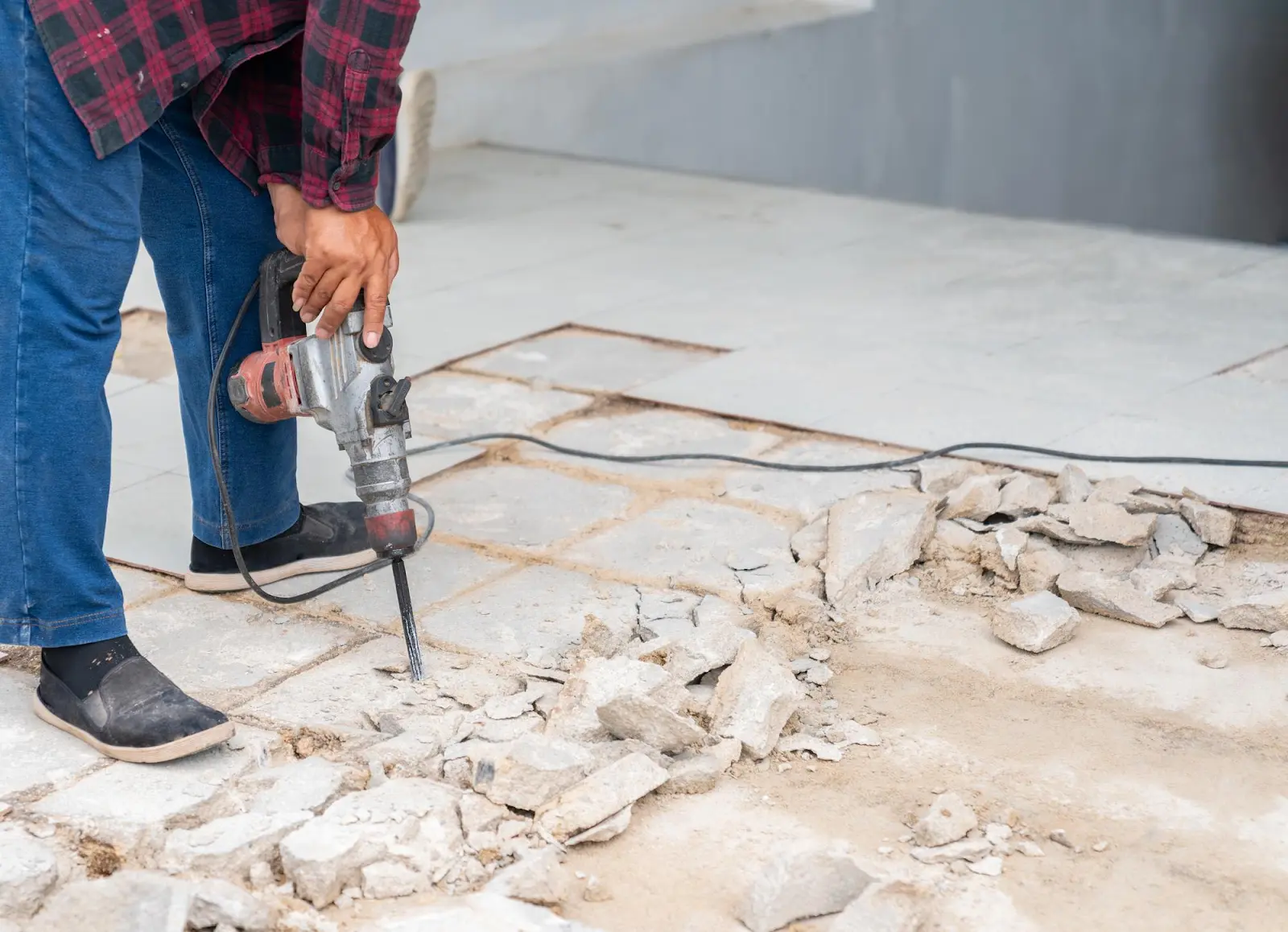
The process to repair spalled concrete begins with a complete inspection of the damage. Experts will observe how deeply the concrete has been spalled, the condition of the rebar, moisture exposure, and any other situations with structural issues. Once the extent is assessed, the team will remove the loose or delaminated concrete. Using chiseling tools, such as a hammer, they will chip out the weak and broken areas before taking it to a solid substrate. After the old concrete has been removed, the crew will then prepare the rebar. If the rebar is going to be reused, all rust must be removed, either by wire brushing or sandblasting before applying an anti-corrosive coating that will help resist any future corrosion and to provide bonding between the rebar and the new concrete. After the rebar has been treated and cured, a bonding agent is placed for proper adhesion of the new concrete to the old surface. Once that is complete, the damage will be patched with a high-strength repair mortar or polymer based repair. The repaired area is then smoothed and leveled to blend in with existing concrete. Once final finishing is done, the concrete is cured to give the repair strength and prevent future cracking. Finally, a sealant or waterproof coating is applied to shield the new area from water infiltration and in hopes to prevent any further spalling.
Best Materials Used for Concrete Spalling Repair
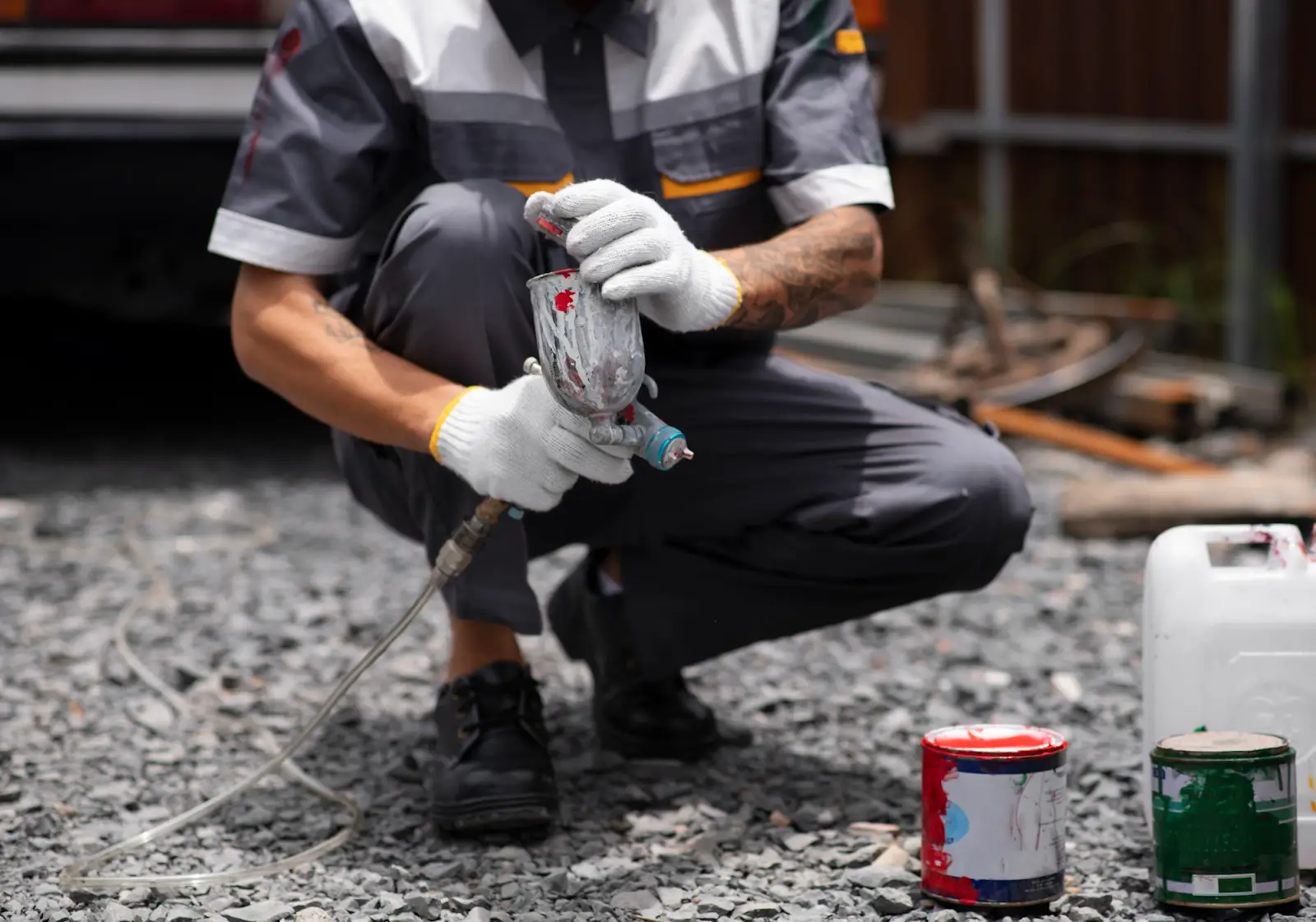
When repairing concrete spalling, strong, durable material will often be used. This typically consists of polymer-modified repair mortar, high-strength cement mixes, and epoxy-based repair compounds, along with anti-corrosion coatings to protect the rebar. Bonding agents for the newly poured concrete and waterproof sealing coats for protection on the surface will all be used in conjunction with one another to create a strong surface with longevity.
Where concrete spalling repair is usually done
When dealing with residential applications, concrete spalling repair should occur in areas where spalling is found, including driveways, basements, patios, balconies, and stairs.
In commercial and industrial applications, concrete spalling should be repaired in parking garages, warehouses, factory floors, bridges, flyovers made from concrete, and concrete columns and beams.
Finally, exterior structures, such as retaining walls, sidewalks, and boundary walls, experience spalling as it happens in all weather and moisture conditions over time.
Advantages of Concrete spalling repair
Repairing concrete spalling not only restores the original strength of the surface, but also addresses future structural failures, stops rebar from rusting, increases useful service life, increases safety for ends user, and improves the aesthetic appearance of the concrete surface. It also extends the overall service life, and prevents expensive repairs in the future.
Ways to Prevent Concrete Spalling
Prevention is a lot better than repair. There are waterproof sealants for concrete that may be applied on a regular basis to protect concrete surfaces from moisture. Do not wait for damage to become apparent. If a crack appears, make the repair as soon as possible. Make sure to repair water leakage problems and have suitable drainage systems to stop the water from entering the concrete. Avoid the use of harsh chemicals, and use quality concrete for construction to significantly reduce the possibility of spalling in concrete.
Concrete Spalling Repair Cost (General Idea)
The cost of concrete spalling repair is dependent on many factors. This includes the size of the damaged area, the depth of the spalling, the type of material used, and whether the rebar is damaged or condition. Smaller repairs usually are less costly; however, if the spalling is deeper, or if structural spalling exists, the repair may require more than what would usually be expected, and repair will likely be more costly. The point here: repair early to avoid high expenses at a later time.
Conclusion
The bottom line is that concrete spalling is a serious issue, and should never be ignored. If caught at the right time, concrete spalling can be repaired by a professional who can restore the strength of the concrete, protect the steel reinforcement, and extend the lifespan of any structure.
When the right materials are used, the right installation method is followed, and good maintenance efforts are in place, spalling can be avoided and concrete surfaces will remain strong, safe, and last many years into the future.